

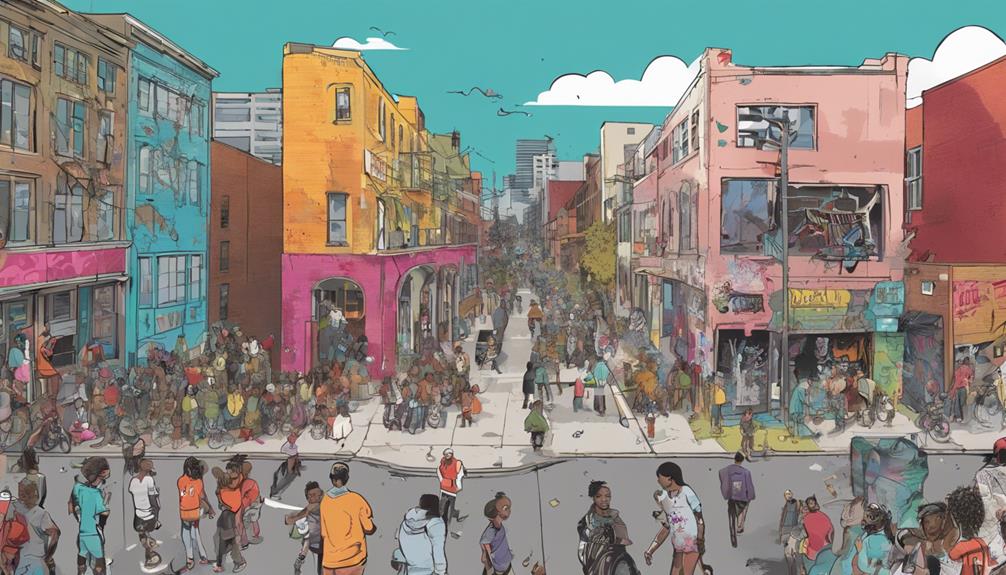
Immigration rules have a significant impact on local communities, shaping labor markets, public education, and healthcare access. They determine the availability of skilled and unskilled workers, impact salaries and employment rates, and influence industry growth. Immigrants also bring cultural variety, enhancing the community with new viewpoints, artistic partnerships, and culinary customs. Nevertheless, stringent policies can result in labor shortages, restricted healthcare access, and social seclusion. As policymakers navigate the intricacies of immigration reform, they must consider the varied effects on local communities, from economic development to community unity, and explore approaches that promote inclusivity and integration.
Shaping Local Labor Markets
Immigration regulations greatly impact the local job market by controlling the influx of skilled and unskilled workers, which in turn influences salaries, employment rates, and industry expansion. These regulations shape workforce dynamics, as they determine the availability of labor for various sectors. For example, regulations favoring high-skilled immigration can lead to an influx of professionals in fields like technology and healthcare, driving innovation and economic expansion. Conversely, regulations restricting low-skilled immigration can result in labor shortages in sectors like agriculture and construction.
The economic consequences of immigration regulations are extensive. Changes in labor market trends can profoundly influence employment patterns, impacting the competitiveness of local businesses and the overall economic health of the community. For instance, an increase in immigrant workers can lead to heightened competition for native-born workers, potentially lowering wages. Conversely, immigrant entrepreneurs can generate new job opportunities and stimulate economic growth.
Understanding the intricate interplay between immigration regulations and local labor markets is essential for policymakers aiming to promote economic development and social unity. By recognizing the impact of immigration regulations on workforce dynamics and labor market trends, policymakers can develop more effective strategies to support the growth of local industries and nurture a sense of belonging among community members.
Impact on Public Education Systems
As local labor markets adjust to immigration regulations, the ripple effects extend to public education systems, where the influx of immigrant students and the availability of bilingual educators influence the quality of education and the allocation of resources. The changing demographics of school enrollment have significant implications for educators, administrators, and policymakers. Firstly, immigrant students bring diverse perspectives and experiences that can enrich the learning environment. Conversely, language barriers and cultural differences can create challenges for teachers and schools.
To address these challenges, schools are adapting their curricula and instructional strategies to better serve immigrant students. For example:
- Bilingual and English as a Second Language (ESL) programs are being expanded to support students who are not proficient in English.
- Teachers are receiving training on culturally responsive teaching practices to better engage with students from diverse backgrounds.
- Schools are partnering with community organizations to provide wraparound services, such as language classes for parents and after-school programs for students.
- Data-driven approaches are being used to track the academic achievement of immigrant students and identify areas for improvement.
Access to Healthcare Services
By 2020, a staggering 23% of non-elderly immigrants lacked health insurance, highlighting the urgent need for policymakers to address the significant barriers that prevent immigrant communities from accessing pivotal healthcare services. This lack of healthcare access disproportionately affects immigrant populations, exacerbating existing healthcare disparities and undermining community health.
The consequences of limited healthcare access are far-reaching, with immigrant communities facing higher rates of untreated chronic diseases, mental health issues, and preventable deaths. Furthermore, the fear of deportation and detention can deter immigrants from seeking medical care, even in emergency situations. This fear is especially pronounced among undocumented immigrants, who often rely on emergency rooms as their primary care providers.
Policymakers must prioritize addressing the healthcare needs of immigrant communities by extending healthcare access and promoting culturally competent care. This can be achieved through initiatives such as Medicaid expansion, community-based health programs, and language access services. By doing so, policymakers can help reduce healthcare disparities, improve community health, and nurture a sense of belonging among immigrant populations. Ultimately, ensuring equitable healthcare access is indispensable for building healthy, thriving communities that benefit everyone.
Housing and Community Development
Barriers to affordable and inclusive housing options worsen social isolation and weaken community cohesion, disproportionately impacting immigrant communities who already encounter significant cultural and linguistic obstacles. This can lead to a sense of disconnection and marginalization, making it even more challenging for newcomers to integrate into their new communities.
Furthermore, strict immigration policies can restrict access to affordable housing, compelling many immigrants to reside in overcrowded and substandard conditions. This impacts their physical and mental well-being and perpetuates social segregation and inequality. On the other hand, inclusive housing policies can nurture a sense of belonging and community engagement.
Here are some ways to encourage affordable housing and community development:
- Implementing rent control and subsidy programs to make housing more affordable for low-income immigrant families
- Providing language-accessible housing resources and support services to assist immigrants in navigating the housing market
- Promoting community land trusts and cooperative housing models that empower residents to take ownership of their living spaces
- Backing community-based initiatives that unite immigrants and long-time residents to establish connections and enhance social cohesion
Cultural Diversity and Exchange
As immigration policies shape local communities, they bring together people from diverse backgrounds, nurturing an environment where cultural richness abounds. Through daily interactions, immigrants and locals exchange ideas, sparking creativity and innovation. This exchange, in turn, enriches the community, creating a dynamic mosaic of cultures that benefit everyone.
Cultural Richness Abounds
Since the influx of immigrants, local communities have experienced a dynamic infusion of cultural practices, traditions, and values. This cultural richness has brought about a sense of vibrancy and diversity, making communities more captivating and appealing places to live.
The cultural exchange has led to:
- Artistic collaborations between local and immigrant artists, resulting in distinct and innovative works of art.
- Culinary fusion, with traditional dishes from various cultures being reimagined and shared with the community.
- Traditional celebrations and festivals being introduced and embraced, adding to the community's cultural calendar.
- Language exchange programs, where locals and immigrants can learn from each other and enhance their language skills.
This cultural richness has not merely enriched the community's cultural panorama but has also nurtured a sense of belonging and inclusivity. As people from different cultural backgrounds come together to share and learn from each other, they develop a deeper appreciation and insight into their differences, ultimately creating a more harmonious and united community.
Exchange of Ideas
Through this dynamic cultural interchange, local communities have evolved into centers for the cross-fertilization of ideas, nurturing an atmosphere where innovation and creativity flourish. As individuals from various backgrounds come together, they bring their distinct viewpoints, traditions, and experiences, enriching the community's collective knowledge and insight. This exchange of ideas encourages a spirit of collaboration, inspiring individuals to exchange their skills and expertise, and gain knowledge from one another.
| Cultural Exchange | Benefits | Outcomes |
|---|---|---|
| Language exchange | Improved communication | Strengthened community cohesion |
| Cultural integration | Increased empathy | Tighter social bonds |
| Diversity benefits | Innovation and creativity | Economic development |
| Community engagement | Social inclusion | Lively community life |
As a result, local communities become more resilient, adaptable, and open to change. The interchange of ideas also fosters cultural assimilation, as individuals learn to value and honor each other’s distinctions. By embracing diversity, communities can nurture their full potential, leading to a more harmonious and flourishing society. This shared understanding strengthens social bonds and encourages cooperative solutions to common challenges. For instance, discussing how climate change impacts communities can lead to collective efforts in adopting sustainable practices and mitigating environmental risks. Through collaboration and inclusivity, societies can better navigate uncertainties while fostering long-term stability and growth.
Community Enrichment Grows
Cultural variety and exchange grow exponentially in local communities, fueling a lively mosaic of traditions, customs, and values that enrich the social fabric. As individuals from diverse backgrounds come together, they bring with them unique perspectives, skills, and experiences that promote innovation and creativity. This cultural richness is palpable in community events, such as festivals, parades, and street fairs, where people gather to celebrate their heritage and share it with others.
- Community events like these promote social cohesion, breaking down barriers and nurturing a sense of belonging among residents.
- They provide opportunities for intercultural dialogue, allowing people to learn from one another and appreciate their differences.
- Local businesses benefit from the increased foot traffic and exposure, leading to economic growth and development.
- Overall, the cultural diversity brought by immigration policies strengthens the fabric of local communities, making them more dynamic, inclusive, and resilient.
Economic Growth and Development
As immigration policies change, they bring about a surge in economic growth and development in local communities. This growth is characterized by a rise in job opportunities, which in turn leads to an increase in local wages, benefiting the community as a whole. Moreover, immigrant entrepreneurs often establish new businesses, further stimulating the local economy and creating a more dynamic commercial environment.
Job Opportunities Rise
New businesses and industries spring up in response to the influx of immigrant workers, creating a surge in job opportunities that benefit local residents. This influx brings a fresh perspective, skills, and expertise, which in turn lead to workforce diversity and a competitive edge for local businesses. As a result, the economic impact is significant, with job creation being a key driver of growth.
Some of the benefits of this surge in job opportunities include:
- Increased consumer spending, as locals and immigrants alike have more disposable income
- A broader range of industries and services, catering to diverse tastes and needs
- More opportunities for career advancement and skill development for local workers
- A reduction in labor shortages, allowing businesses to operate at full capacity
Local Wages Increase
Rising labor demand and increased competition for workers drive up local salaries, enabling residents to enjoy a higher standard of living. As immigrants bring new skills and perspectives, they contribute to the local workforce, creating a surge in labor demand. This increased competition for workers pushes employers to offer higher salaries to attract and retain top talent. As a result, local salaries rise, and residents benefit from a higher purchasing capability. The economic impact of this phenomenon is significant, as it helps reduce wage disparities and promotes economic growth. In areas where immigration policies have led to an influx of immigrants, locals have seen a noticeable increase in their salaries, which has, in turn, improved their overall quality of life. This boost in local salaries has a ripple effect, stimulating local economies and nurturing a sense of community and belonging. By driving up local salaries, immigration policies can have a profound and lasting impact on the economic well-being of local communities.
New Businesses Emerge
Entrepreneurs, fueled by immigrants' innovative ideas and skills, launch startups that cater to diverse consumer needs, injecting fresh energy into the local economy. This influx of new businesses creates jobs and stimulates economic growth and development. The entrepreneurial spirit of immigrants drives them to identify untapped opportunities, leading to the creation of unique products and services that appeal to a broader customer base.
Some of the ways new businesses emerge in local communities include:
- Immigrant-owned businesses serving ethnic cuisine, attracting foodies and locals alike
- Specialty stores offering traditional clothing, decorations, and cultural items
- Business incubators providing resources and support to immigrant entrepreneurs, helping them turn their ideas into reality
- Online platforms and marketplaces connecting local consumers with immigrant-owned businesses, promoting cross-cultural exchange and insight
Public Safety and Law Enforcement
How do immigration policies impact the delicate balance between community trust and law enforcement's ability to ensure citizens' safety? This is a critical issue for local communities, as immigration policies can either enhance or weaken the relationship between law enforcement and the communities they serve. When community relations are robust, crime rates tend to decrease, as residents are more inclined to report crimes and collaborate with authorities. Conversely, when trust is absent, crime rates can escalate, and community safety is compromised.
Immigration policies that prioritize deportation and detention can create an atmosphere of fear, causing undocumented immigrants to avoid interactions with law enforcement, even when they're victims of or witnesses to crimes. This can enable criminals to operate freely, jeopardizing public safety. Conversely, policies that promote trust and collaboration, such as sanctuary city laws, can motivate community members to step forward and report crimes, resulting in lower crime rates and improved public safety.
Effective immigration policies must strike a balance between enforcing the law and building rapport with local communities. By promoting cooperation and empathy, law enforcement can better serve and protect all members of the community, regardless of their immigration status. In the end, immigration policies that prioritize community trust and public safety can lead to more resilient, more united communities where everyone can prosper.
Social Services and Community Resources
Immigration policies greatly influence the allocation and accessibility of social services and community resources, disproportionately affecting vulnerable populations, including low-income families, children, and seniors. These policies can either promote social unity or create divisions within local communities. For instance, restrictive policies may lead to a lack of trust between immigrant communities and social service providers, hindering access to crucial resources.
On the other hand, inclusive policies can promote social unity by providing equal access to resources, regardless of immigration status. This, in turn, can lead to more efficient resource allocation, as social services can be customized to meet the unique needs of diverse populations.
Some key implications of immigration policies on social services and community resources include:
- Limited access to healthcare: Restrictive policies may prevent immigrants from seeking medical care, leading to poor health outcomes and increased healthcare costs in the long term.
- Inadequate education and job training: Inclusive policies can provide immigrant communities with access to education and job training, leading to better economic outcomes and social mobility.
- Strained social services: Influxes of new immigrants can put pressure on local social services, leading to resource shortages and decreased service quality.
- Community engagement and volunteerism: Inclusive policies can encourage community involvement and volunteerism among immigrant communities, nurturing social unity and a sense of belonging.
Language Barriers and Integration
They highlight the significant role language barriers play in hindering integration, as immigrants struggle to navigate everyday life without adequate language skills, leading to cultural isolation. Effective communication strategies, such as language classes and translation services, can help bridge this gap. By examining these factors, policymakers can develop more targeted approaches to facilitate successful integration.
Cultural Isolation Factors
Language barriers and lack of integration opportunities often confine immigrant communities to cultural enclaves, limiting their interaction with the broader society. This cultural isolation can hinder their ability to fully participate in their new country, leading to feelings of disconnection and marginalization. As a result, social integration and cultural assimilation become challenging goals.
Some of the key factors contributing to cultural isolation include:
- Limited access to language classes and cultural orientation programs
- Insufficient support for immigrant entrepreneurs and small business owners
- Lack of diversity and inclusion initiatives in local institutions and organizations
- Inadequate representation of immigrant voices in local politics and decision-making processes
When immigrant communities are unable to integrate into their new society, they may struggle to access crucial services, find employment, and build meaningful relationships with their native-born counterparts. This can lead to a sense of disbelonging and marginalization, eventually impacting their overall well-being and quality of life.
Effective Communication Strategies
Clear communication channels are essential for bridging the gap between immigrant communities and local authorities, facilitating access to important services and promoting social cohesion. Effective communication strategies can help break down language barriers, nurturing a sense of belonging and encouraging community engagement. This can be achieved through bilingual or multilingual staff, interpreters, and translated materials. Additionally, community-based initiatives, such as language classes and cultural orientation programs, can help immigrants navigate their new environment. By investing in these efforts, local authorities can build trust and strengthen interpersonal relationships with immigrant communities. This, in turn, can lead to increased participation in community activities, improved health outcomes, and integrated economic participation. In addition, clear communication can help address concerns and misconceptions, reducing tensions and promoting a more inclusive and welcoming environment. By prioritizing effective communication, local authorities can lay the groundwork for successful integration and a more harmonious community.
Building Community Identity
Community unity flourishes when immigration policies acknowledge and respect the cultural heritage of both native-born and foreign-born residents, nurturing a shared sense of belonging. This insight is vital in constructing community identity, where individuals from diverse backgrounds come together to create a cohesive whole. When immigration policies recognize the value of cultural diversity, they cultivate an environment where everyone feels valued and included.
Constructing community identity is fundamental for community engagement and identity establishment. It's about establishing a sense of ownership and responsibility among community members. Here are some ways immigration policies can support community identity:
- Celebrate cultural diversity: Arrange cultural events and festivals that exhibit the traditions and customs of both native-born and foreign-born residents.
- Language access: Offer language classes and translation services to facilitate communication and integration.
- Inclusive decision-making: Promote community members to participate in decision-making processes, ensuring that everyone's voice is heard.
- Community-based initiatives: Back community-led projects and initiatives that promote social cohesion and address the needs of all residents.
Frequently Asked Questions
How Do Immigration Policies Affect Voting Demographics in Local Communities?
She explores how immigration policies influence voting demographics in local communities. By examining the economic impact of immigration on local job markets and community integration, she finds that inclusive policies nurture social cohesion, leading to increased political representation for diverse groups. Conversely, restrictive policies can create divisions, affecting voting patterns and undermining local democracy.
Can Immigration Policies Influence Local Environmental Initiatives and Sustainability?
She explores the pressing issue of environmental stewardship, wondering if forward-thinking policies can nurture a more eco-friendly society. Indeed, they can. By promoting community integration, immigration policies can boost economic impact, propelling innovation in sustainable practices. Additionally, a varied workforce can hasten environmental sustainability and workforce development, finally enriching the community's environmental footprint.
Do Immigration Policies Impact Access to Higher Education for Immigrant Children?
She believes that immigration policies greatly impact access to higher education for immigrant children. Education disparities arise when policies restrict access to resources, hindering their academic progress. Language barriers pose a considerable obstacle, making integration into the education system challenging. To bridge this gap, inclusive policies that provide language support and equal access to resources are crucial, ensuring immigrant children have an equal opportunity to succeed and feel a sense of belonging.
How Do Immigration Policies Shape Local Arts and Cultural Scenes?
Like a colorful artwork, local arts and cultural scenes are woven together by diverse threads of creativity. Immigration policies play a significant role in shaping these scenes, as they can either nurture or stifle cultural exchange. When policies are inclusive, they encourage artistic diversity, allowing immigrant artists to bring unique perspectives and talents to the table. This, in turn, enriches the community, creating a sense of belonging and pride in their cultural heritage.
Can Immigration Policies Lead to Gentrification in Urban Areas?
She notes that gentrification is a pressing concern in urban areas, often sparked by an influx of affluent newcomers. When immigration policies attract high-income earners, they can drive up housing costs, making affordable housing scarce. This, in turn, leads to displacement of long-time residents, eroding community bonds. As neighborhoods transform, cultural identities are lost, leaving locals feeling like outsiders in their own homes.