

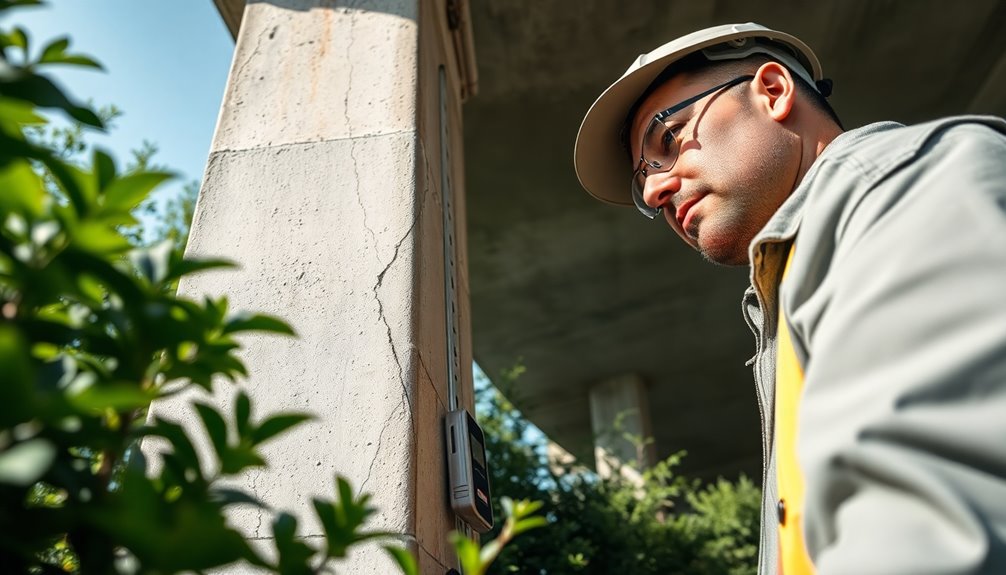
Maintaining strong concrete structures requires a proactive approach. Regular inspections are essential for identifying issues early, improving safety, and extending durability. Effective cleaning techniques, such as pressure washing and chemical cleaning, prepare surfaces for sealing with appropriate sealants like acrylics or epoxies. Weather greatly impacts longevity, necessitating timely repairs for cracks and spalling. Incorporating reinforcement optimizes strength. A structured maintenance schedule guarantees all aspects are addressed effectively. Further insights into these strategies can improve concrete longevity.
Article Highlights
- Conduct regular inspections and structural assessments to identify issues early and enhance the safety and longevity of concrete structures.
- Use effective cleaning techniques, such as pressure washing and sealing, to maintain surface integrity and prevent moisture intrusion.
- Choose appropriate sealants, such as acrylic or polyurethane, for crack repair and surface protection to ensure long-lasting durability.
- Implement proactive maintenance strategies, document findings, and allocate resources for timely repairs to mitigate deterioration.
- Reinforce concrete structures with steel rebar or fiber to improve strength and adapt designs for future load changes and environmental factors.
Importance of Regular Inspections for Concrete Structures
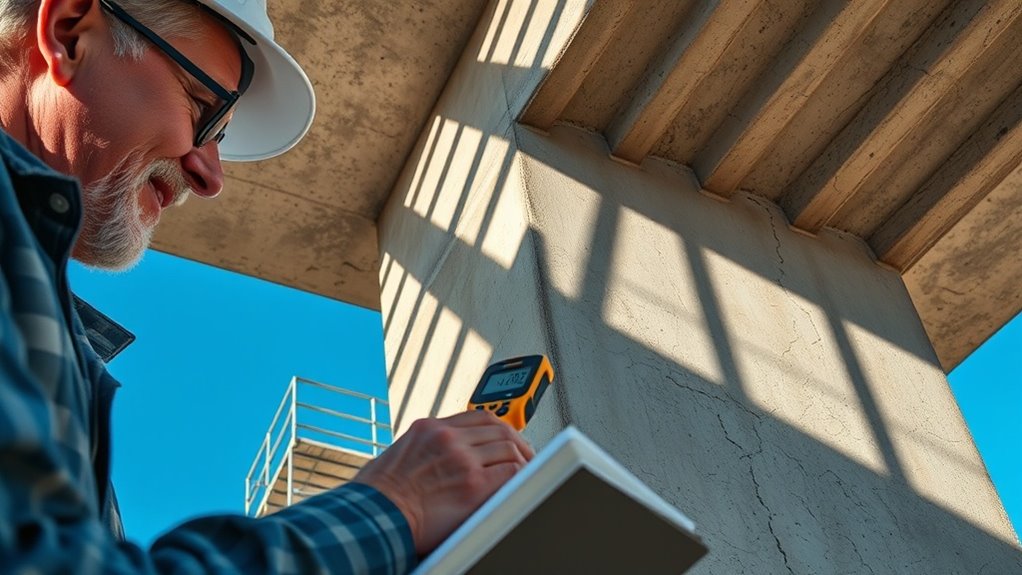
Regular inspections of concrete structures serve as a vital safeguard against deterioration and failure. These evaluations help identify potential issues before they escalate, ensuring the safety and longevity of the infrastructure that supports communities. The inspection benefits extend beyond immediate safety; they cultivate trust in public facilities and improve property values. Establishing a consistent inspection frequency is critical, as it enables timely maintenance and repairs, ultimately reducing long-term costs. Regular assessments empower stakeholders to make informed decisions, promoting proactive rather than reactive management. By prioritizing inspections, communities can better serve their residents, ensuring that vital structures remain safe and functional for years to come. Such diligence reflects a commitment to public welfare and to the sustainability of infrastructure. Additionally, implementing preventive care services can further enhance the resilience of community infrastructures.
Effective Techniques for Cleaning and Prepping Concrete
Effective cleaning and preparation of concrete surfaces are vital steps in maintaining their integrity and appearance. Various techniques can improve both the longevity and aesthetics of concrete structures. For best results, it is fundamental to select appropriate methods customized to specific conditions.
| Technique | Description | Benefits |
|---|---|---|
| Pressure Washing | High-pressure water jets | Removes dirt and stains |
| Chemical Cleaners | Specialized solutions | Targets tough stains and grease |
| Grinding | Abrasive surface treatment | Smooths uneven surfaces |
| Scrubbing | Manual or machine scrubbing | Effective for small areas |
| Sealing | Protective coat application | Prevents moisture intrusion |
How to Choose Sealants for Effective Concrete Maintenance
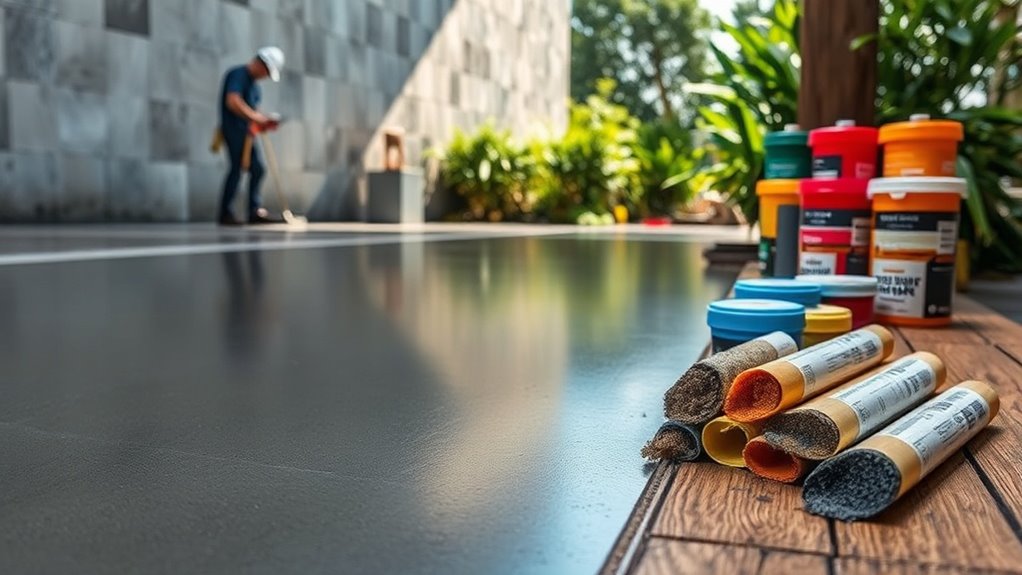
Choosing the right sealant for concrete maintenance is vital, as it directly affects the surface’s durability and appearance. Various sealant types, including acrylics, epoxies, and polyurethanes, offer distinct benefits customized to specific needs. Acrylic sealants are ideal for quick application and UV resistance, whereas epoxies provide superior adhesion and chemical resistance. Polyurethane sealants, conversely, excel in flexibility and water resistance.
Furthermore, comprehending application techniques is important. Proper surface preparation, including cleaning and drying, guarantees peak adhesion. Applying the sealant in favorable weather conditions improves curing and effectiveness. By selecting the appropriate sealant type and applying it correctly, individuals can greatly extend the lifespan and visual appeal of concrete structures, serving both functionality and aesthetics.
How Weather Impacts Concrete Longevity?
Weather plays a vital role in determining the longevity of concrete structures. Temperature fluctuations can lead to expansion and contraction, weakening the material over time. Moisture levels, particularly in freeze-thaw cycles, contribute to cracking, as water infiltrates and expands upon freezing. Moreover, UV exposure can degrade surface integrity, making it more susceptible to damage. Environmental factors, including air quality and chemical reactions from pollutants, can further accelerate deterioration. Seasonal changes may likewise introduce varying stressors, thereby challenging concrete’s resilience Comprehending these influences is important for maintaining strong structures, as proactive measures can mitigate adverse effects, ensuring durability and safety for future generations. Prioritizing weather considerations is vital for effective concrete management.
How to Effectively Repair Cracks and Spalling
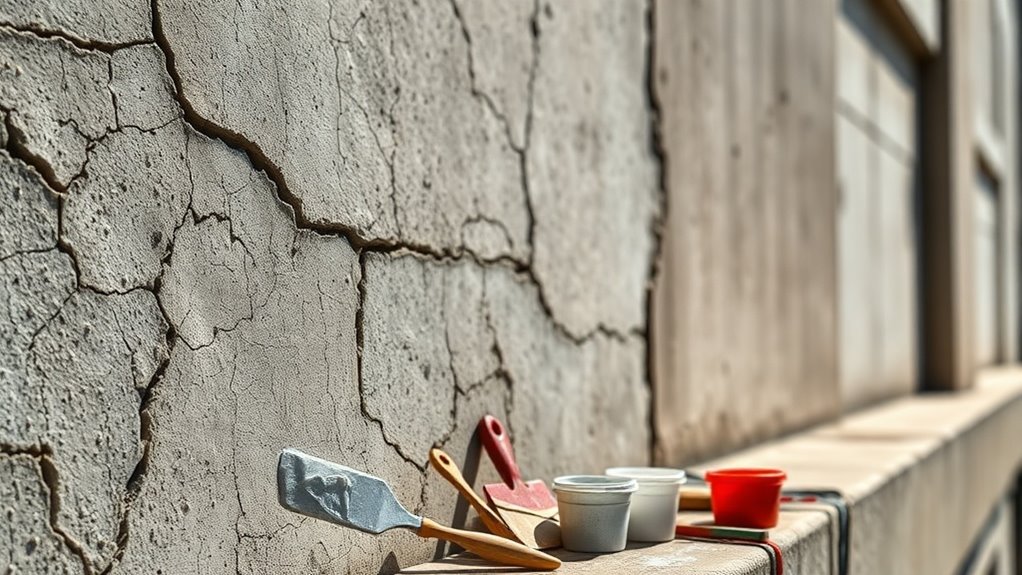
Repairing cracks and spalling in concrete structures is essential for maintaining their integrity and extending their lifespan. For complex or large-scale damage, hiring a structural concrete repair contractor Montreal ensures professional assessment and long-lasting results. Effective methods include crack sealing and spalling prevention techniques. By swiftly addressing these issues, the risk of further structural damage is minimized, ensuring safety and longevity.
| Method | Description | Benefits |
|---|---|---|
| Crack Sealing | Filling cracks with suitable materials | Prevents water infiltration |
| Surface Repair | Applying a new layer over spalled areas | Restores appearance and strength |
| Regular Inspections | Routine checks for deterioration | Early detection of issues |
| Protective Coatings | Applying sealants to surfaces | Improves durability and resistance |
| Proper Drainage | Ensuring efficient water runoff | Reduces spalling risk |
Choose the Right Reinforcement for Enhanced Concrete Strength
Selecting appropriate reinforcement materials significantly affects the strength and durability of concrete structures. Proper placement techniques and an accurate assessment of load-bearing needs further improve performance and longevity. Comprehending these factors can lead to more resilient concrete applications.
Types of Reinforcement Materials
Reinforcement materials play a crucial role in improving the strength and durability of concrete structures. Selecting the appropriate type can greatly affect performance and longevity. Various reinforcement materials provide unique benefits, catering to specific structural needs:
- Steel bars: Widely used for their tensile strength and reliability.
- Fiber reinforcements: Include synthetic fibers that enhance crack resistance and overall durability.
- Polymer composites: Offer corrosion resistance and lightweight properties for specialized applications.
- Wire mesh: Improves stability and load distribution in concrete slabs.
Additionally, employing prestressed cables, geogrid systems, and epoxy coatings can further reinforce structures. Grasping these options allows for informed decisions that ultimately serve the community by ensuring safer, more resilient concrete infrastructure.
Proper Reinforcement Placement Techniques
Comprehending the importance of proper reinforcement placement techniques is critical for maximizing the strength of concrete structures. Effective placement angles and reinforcement spacing play fundamental roles in ensuring the durability and load-bearing capacity of concrete. By adhering to established guidelines, professionals can optimize the distribution of reinforcing materials, enhancing structural integrity. Ensuring that reinforcement bars are correctly positioned minimizes potential weak points, ultimately contributing to a safer, more resilient build. Moreover, maintaining consistent reinforcement spacing throughout the structure helps to evenly distribute loads, reducing the risk of cracks and failure. In conclusion, thoughtful consideration of placement angles and reinforcement spacing is indispensable for those committed to serving communities with strong, reliable concrete infrastructures.
Assessing Load-Bearing Needs
After ensuring proper reinforcement placement techniques, the next step is to evaluate the specific load-bearing requirements of a concrete structure. This assessment is vital for achieving long-lasting durability and safety. Key elements to take into account include:
- Load calculations: Determine the maximum loads the structure will encounter during its lifespan.
- Stress analysis: Evaluate how different loads affect concrete and reinforcement under various conditions.
- Material selection: Choose appropriate reinforcement types, such as steel rebar or fiber reinforcement, to improve strength.
- Design adaptability: Confirm the design can accommodate future changes in load requirements or usage.
How to Implement a Concrete Maintenance Schedule
Implementing a concrete maintenance schedule requires a systematic approach to ensure longevity and safety. Regular assessments of structural integrity are crucial for early detection of potential issues. Furthermore, scheduling routine inspections annually helps maintain the overall performance and reliability of concrete structures.
Assess Structural Integrity Regularly
Regularly evaluating the structural integrity of concrete structures is critical for their longevity and safety. Implementing a concrete maintenance schedule involves a combination of techniques that guarantee early detection of potential issues.
Key methods include:
- Visual assessments to identify surface cracks, spalling, or discoloration.
- Non-destructive testing to evaluate the internal condition without damaging the concrete.
- Monitoring environmental factors that may affect the structure, such as moisture or temperature fluctuations.
- Keeping records of inspections and repairs to track changes over time.
Schedule Routine Inspections Annually
Annual inspections are essential for preserving the integrity of concrete structures and preventing costly repairs. Implementing a concrete maintenance schedule requires establishing an appropriate inspection frequency, typically once a year. This routine enables early detection of potential issues, such as cracks or deterioration, promoting a proactive maintenance approach. A well-structured inspection checklist should be used, including key elements such as surface condition, joint integrity, and drainage efficiency. Engaging trained professionals to perform these assessments guarantees thorough evaluations and informed recommendations. By prioritizing routine inspections, organizations can extend the lifespan of their concrete assets, ultimately serving the community better by ensuring safety and reliability in infrastructure. Regular maintenance demonstrates a commitment to quality and responsibility, benefiting all stakeholders involved.
Frequently Asked Questions
What Are the Signs of Structural Damage in Concrete?
Signs of structural damage in concrete can manifest as visible cracks, which, according to studies, occur in nearly 70% of aging structures. Regular crack inspections are essential, as even small fissures can indicate deeper issues. Furthermore, a moisture assessment is critical; excessive moisture can compromise structural integrity. Observing these signs can lead to timely interventions, ultimately serving the community by ensuring safety and prolonging the lifespan of concrete structures.
How Often Should Concrete Be Resealed?
Concrete should typically be resealed every three to five years, depending on environmental conditions and usage. Regular resealing is essential for maintaining concrete durability, as it protects against moisture, stains, and wear. A proactive approach to resealing frequency not only extends the life of the concrete but also improves its visual appeal. By prioritizing this maintenance, individuals can better serve their communities, ensuring safe and attractive concrete surfaces for all to enjoy.
Can Trees Affect Concrete Stability?
Trees can significantly affect concrete stability, as approximately 70% of urban trees have aggressive root systems that can cause foundation pressure issues. Certain tree species absorb soil moisture, causing soil shrinkage and resulting in concrete expansion cracks. Furthermore, inadequate drainage around tree roots can exacerbate these problems, leading to uneven settling. Homeowners should consider these factors when planting trees near concrete structures to prevent potential damage and guarantee long-lasting stability.
What Are the Best Practices for Winterizing Concrete?
The best practices for winterizing concrete involve implementing effective frost protection and insulation techniques. Applying curing compounds helps retain moisture, whereas insulating blankets or straw can shield the surface from extreme cold. Furthermore, using heated enclosures or tarps can further prevent temperature fluctuations. These methods not only preserve the integrity of the concrete but also ensure safety and longevity, ultimately benefiting the community by maintaining crucial infrastructure during harsh winter conditions.
How Do I Know if My Concrete Is Properly Cured?
“Good things come to those who wait.” Observing proper cure time is essential for determining if concrete is adequately cured. A successful cure allows for ideal moisture retention, ensuring strength and durability. Signs of proper curing include a consistent, light gray color and a firm texture when touched. Furthermore, the absence of cracks or surface imperfections indicates effective curing, promoting the longevity of concrete structures and serving the needs of future users.