

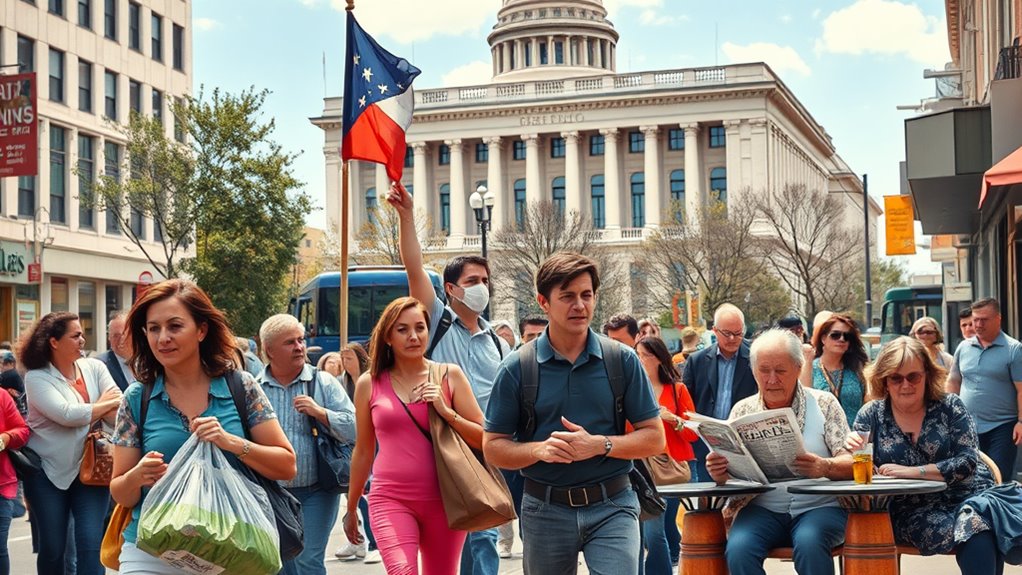
Political decisions profoundly affect daily life by shaping healthcare access, education funding, job creation, and environmental regulations. Local policies determine resources allocated to community programs, influencing overall well-being. For instance, equitable healthcare policies can bridge access gaps, whereas investments in education guarantee better learning opportunities. Tax policies directly impact household finances, affecting disposable income. Civic engagement in political processes enables communities to advocate for their needs, reflecting values. Exploring these dynamics reveals further implications on individual lives and society as a whole.
The Influence of Local Policies on Community Well-Being
Although often overlooked, local policies play a vital role in shaping the well-being of communities. These policies determine the allocation of resources, which directly influences the availability and effectiveness of community programs. For instance, local governments may establish initiatives aimed at improving public health, boosting safety, or promoting economic development. This, in turn, cultivates a supportive environment for residents.
Furthermore, policy advocacy becomes important in ensuring that community needs are addressed. Engaged citizens and organizations can influence local decision-makers to prioritize programs that genuinely benefit the community. By voicing concerns and proposing changes, they raise awareness of important issues, such as affordable housing or access to recreational facilities. The interplay between local policies and community programs highlights the necessity of active participation and informed advocacy. In the end, well-crafted policies can greatly improve the quality of life, nurturing resilient and thriving communities.
Education Funding and Its Effects on Students
Local policies not just shape community programs but also greatly influence education funding, which directly affects students' academic experiences and outcomes. The allocation of resources can determine the quality of education provided. Key factors include:
- Resource Availability: Adequate school funding guarantees access to modern materials and technology.
- Teacher Salaries: Competitive compensation attracts skilled educators, enhancing teaching quality.
- Class Size: Increased funding often allows for smaller class sizes, nurturing personalized learning.
- Extracurricular Programs: Diverse funding can expand opportunities beyond the classroom, promoting holistic development.
Educational equity is a critical concern; disparities in school funding can lead to unequal educational opportunities for students from different socioeconomic backgrounds. As political decisions shape funding strategies, they hold the influence to either bridge or widen these gaps, ultimately affecting student success and community growth.
Healthcare Access: The Role of Political Decisions
Access to healthcare is profoundly shaped by political decisions that dictate policy frameworks, funding allocations, and the availability of services. These decisions directly influence healthcare equity, determining who receives care and the quality of that care. For instance, policies that prioritize funding for underserved communities can bridge gaps in access, whereas those that neglect these areas can exacerbate disparities.
Moreover, policy transparency plays an essential role in ensuring that citizens understand their healthcare options and rights. When political processes are clear and accessible, individuals are better equipped to advocate for their needs and hold decision-makers accountable. Lack of transparency can lead to mistrust and disengagement from the healthcare system. In the end, thoughtful political decisions can promote a more equitable healthcare environment, ensuring that all individuals, regardless of socioeconomic status, have access to necessary medical services. The impact of these choices resonates throughout society, influencing overall health outcomes and quality of life.
The Impact of Taxation on Household Finances
Although many factors influence household finances, taxation stands out as a critical element that directly affects disposable income and overall financial stability. Comprehending the nuances of taxation is vital for effective financial management. Key components include:
- Income Taxes: Vary by tax brackets and affect how much money families retain.
- Property Taxes: Influence homeownership costs and can impact long-term financial planning.
- Tax Credits: Provide direct reductions in tax liability, benefiting households financially.
- Tax Deductions: Allow households to lower taxable income, aiding in fiscal responsibility.
Tax reforms and fiscal policy can considerably alter these components, emphasizing the importance of financial literacy. Households that grasp these concepts can better navigate their finances, eventually leading to improved financial stability. By comprehending how taxation impacts their budgets, families can make more informed decisions and adapt to changing financial environments.
Job Creation and Economic Opportunities
Government policies play a vital role in shaping job creation and economic opportunities within communities. By cultivating an environment conducive to local business growth, these policies can greatly influence employment rates and economic stability. Consequently, grasping the interplay between political decisions and local economies is fundamental for comprehending their broader impacts on everyday life.
Government Policy Influence
Numerous studies highlight the significant role that government policies play in shaping job creation and economic opportunities within a community. Effective governance can lead to sustainable growth through:
- Investment in Infrastructure: Enhancing transportation and utilities to attract businesses.
- Incentives for Employers: Tax breaks and grants that encourage hiring and expansion.
- Education and Training Programs: Equipping the workforce with necessary skills.
- Support for Innovation: Funding and resources for startups and emerging industries.
Government transparency and policy evaluation are essential in ensuring these initiatives are effective. By evaluating the impact of policies, communities can adapt and refine strategies, promoting an environment conducive to economic growth and improved job prospects for residents.
Local Business Growth
A thriving local business sector is vital for job creation and economic opportunities within a community. Local entrepreneurship plays a pivotal role in cultivating innovative solutions, which can address unique community needs while stimulating economic growth. Political decisions greatly influence this growth through the implementation of business incentives, such as tax breaks and grants, aimed at supporting small businesses. These incentives not only encourage start-ups but additionally help established businesses expand, eventually leading to increased hiring and job security for local residents. Moreover, a robust local business environment improves competition, driving quality and affordability for consumers. Consequently, the interplay between political choices and local entrepreneurship is fundamental in shaping the economic environment and improving the quality of life for community members. Recognizing the importance of voting locally ensures that community members have a direct impact on the policies that shape their local economy. By electing leaders who prioritize small business growth and advocate for beneficial economic policies, residents can foster a more supportive environment for entrepreneurship. In turn, this strengthens the overall prosperity and stability of the community.
Environmental Regulations and Public Health
Environmental regulations play an essential role in shaping public health outcomes by establishing air quality standards, controlling water pollution, and managing waste effectively. These policies directly influence the safety of the environment individuals inhabit, impacting their overall well-being. The interplay between political decisions and environmental regulations underscores the importance of governance in safeguarding public health.
Air Quality Standards
Even though the effects of air quality standards may not be immediately visible, their influence on public health is profound and far-reaching. Effective air quality regulations help mitigate pollution levels and reduce health impacts on vulnerable communities. Key aspects include:
- Regulatory frameworks that limit industrial emissions.
- Community initiatives aimed at enhancing public awareness.
- Advocacy efforts promoting environmental justice.
- Legislative changes that adapt to emerging science on air quality.
These measures protect not just individual health but also the collective well-being of society. By addressing air quality thoroughly, stakeholders can lower pollution levels, thereby promoting healthier environments. The engagement of communities, policymakers, and scientists is crucial to guarantee that air quality standards evolve in alignment with public health needs.
Water Pollution Control
Even though many may take clean water for granted, the implications of water pollution control extend deeply into public health and community well-being. Effective regulatory frameworks are fundamental for maintaining water quality and addressing pollution sources, such as industrial waste. Legislative measures aimed at reducing contaminants not just safeguard drinking water but also promote environmental justice by ensuring that vulnerable communities are protected. Community awareness plays a significant role in these efforts, empowering residents to advocate for better policies and hold polluters accountable. In the end, robust water pollution control measures are imperative for enhancing public health, reducing disease prevalence, and cultivating sustainable environments. The intersection of these factors highlights the importance of political decisions in shaping the quality of life for all citizens.
Waste Management Policies
Waste management policies play an important role in safeguarding public health and the environment. Effective policies contribute to waste reduction and promote recycling initiatives, which are vital in minimizing landfill use and conserving resources. Key elements of successful waste management include:
- Comprehensive recycling programs that encourage community participation.
- Public education campaigns to raise awareness about waste reduction.
- Legislation supporting sustainable practices, such as composting and waste-to-energy projects.
- Monitoring and enforcement to guarantee compliance with environmental regulations.
Through these measures, communities can greatly reduce the negative impacts of waste on public health and the environment, nurturing a cleaner, safer, and more sustainable future for all. Political decisions that influence these policies ultimately shape everyday lives and community well-being.
The Importance of Civic Engagement in the Political Process
Civic engagement serves as a fundamental pillar in the political process, enabling individuals to influence decisions that directly affect their lives. It embodies civic responsibility, where citizens are encouraged to participate actively in their communities through voter participation and community activism. Increased political awareness promotes informed decision-making, allowing individuals to understand the implications of policies that govern their lives. Grassroots movements often emerge from civic engagement, mobilizing communities to advocate for change and holding elected officials accountable. Effective civic education equips citizens with the knowledge necessary for meaningful election engagement, ensuring that voices are heard during critical decision-making moments. Additionally, policy advocacy becomes a collective effort, as engaged citizens work together to shape legislation that reflects their needs and values. By prioritizing civic engagement, individuals not only improve their own lives but contribute to the overall health of democracy and the well-being of society.
Frequently Asked Questions
How Does Political Stability Affect Property Values in Neighborhoods?
Political stability plays a significant role in influencing property values within neighborhoods. When stability is present, it encourages property investment and attracts developers, leading to neighborhood development and improved infrastructure. Conversely, instability can deter investors, resulting in declining property values and stagnation in development. Overall, a stable political environment nurtures confidence among homeowners and investors alike, creating a positive cycle of growth and enhancing the desirability of neighborhoods.
What Role Do Political Decisions Play in Public Transportation Systems?
Political decisions are the lifeblood of public transportation systems, influencing everything from funding allocation to infrastructure development. A single policy implementation can transform a city's public transit environment, enhancing community accessibility as well as adhering to environmental regulations. Effective governance determines the allocation of resources, ensuring that public transit meets the needs of its users. Consequently, the role of political decisions is paramount in shaping efficient, sustainable, and accessible transportation networks for all.
How Do International Political Decisions Impact Local Economies?
International political decisions markedly influence local economies through mechanisms such as trade agreements and currency fluctuations. Trade agreements can open markets, encouraging economic growth by allowing local businesses to reach broader audiences. Conversely, currency fluctuations may affect import costs and export competitiveness, creating uncertainty for local enterprises. These interconnected factors highlight the ripple effects of international politics, underscoring how decisions made on a global scale can resonate within local economic environments.
Can Political Decisions Influence Crime Rates in Communities?
Can political decisions shape the very fabric of community safety? Certainly, they can. Through the implementation of effective crime prevention policies and innovative policing strategies, legislators can greatly influence crime rates. For instance, increased funding for community programs and proactive policing can promote safer neighborhoods, whereas inadequate policy choices may allow crime to flourish. Consequently, the interplay of political decisions and community safety underscores the profound impact of governance on everyday lives.
How Do Political Party Platforms Shape Social Services Availability?
Political party platforms greatly influence the availability of social services by determining funding levels and priorities. For instance, platforms advocating for robust social safety nets often push for extensive welfare reforms, ensuring access to healthcare, housing, and child support. Conversely, parties emphasizing limited government may prioritize budget cuts, which can reduce social service programs. These ideological differences eventually shape the resources available to communities, affecting the well-being of vulnerable populations.