

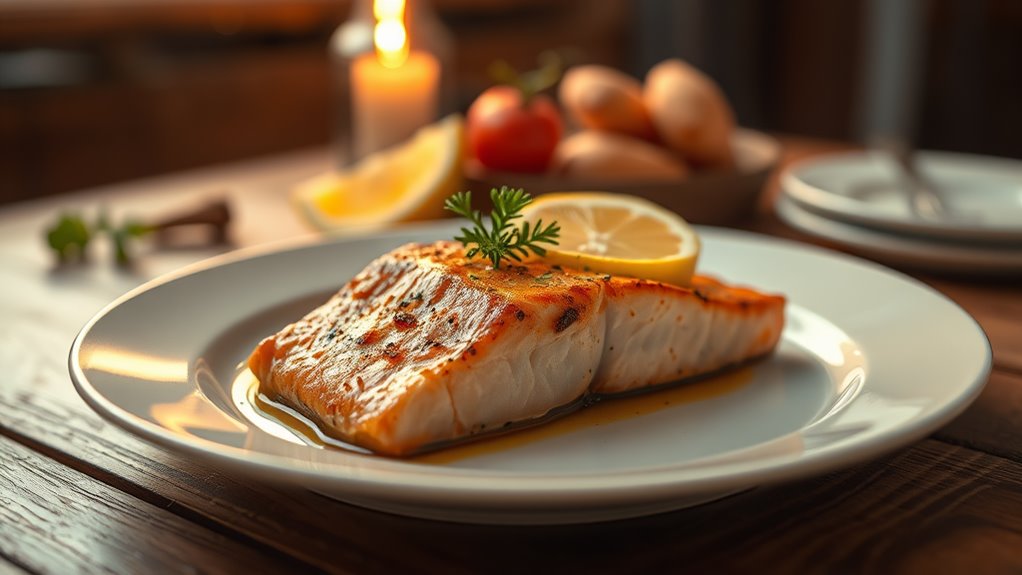
To raise your home cooking with simple techniques, start by balancing flavors with acidity and umami, and master the art of searing to add texture. Release the strength of aromatics and experiment with raising ingredients to add depth to your dishes. Don't forget to rest your ingredients to redistribute juices and improve flavor. Finally, presentation matters, so pay attention to plating and visual appeal. By incorporating these techniques, you'll be well on your way to transforming your cooking – and there's more to discover to take your skills to the next level.
Balance Flavors With Acidity and Umami
When you're cooking, achieving a harmonious balance of flavors can make all the difference between a mediocre dish and a truly memorable one. To take your cooking to the next level, it's crucial to understand how to balance acidity and umami flavors. Acidic ingredients like citrus, vinegar, and tomatoes add brightness and depth to your dishes, and umami sources like mushrooms, soy sauce, and miso paste provide richness and complexity. By combining these flavors, you'll create a harmonious balance that will enhance your cooking. Don't be afraid to experiment with different acidic ingredients and umami sources to find the perfect balance for your dishes. Remember, a pinch of acidity can cut through richness, and a dash of umami can add depth to an otherwise bland dish. By perfecting the balance of acidity and umami, you'll be able to create truly unforgettable meals.
Master the Art of Searing
When you master the art of searing, you'll take your dishes to the next level. To get started, you need to perfect the sear temperature, which is between 400°F and 450°F for most proteins. You'll additionally need to master the right oil, one that can handle high heat and adds flavor to your dish.
Perfect the Sear Temperature
How do you get that perfect sear on your steak or scallops? It all comes down to perfecting the sear temperature. You want to achieve a golden-brown crust that locks in juices and flavors. To do this, you need to master heat control and sear timing. Start by preheating your skillet or grill to the ideal temperature – usually between 400°F to 450°F (200°C to 230°C) for high-heat searing. Once hot, add a small amount of oil, then carefully place your protein. Cook for 2-3 minutes per side, or until you reach your desired level of doneness. Remember, precise heat control is key, so adjust your heat as needed to prevent burning. By perfecting your sear temperature, you'll enhance your dishes from ordinary to extraordinary.
Master the Right Oil
Now that you've nailed the perfect sear temperature, it's time to focus on the next crucial component: the right oil. You might be thinking, "What's the big deal about oil?" But trust us, the right oil can enhance your dishes from good to great. With so many oil varieties out there, it can be overwhelming.
Here are a few tips to get you started:
- Experiment with different oil varieties: From neutral-tasting canola oil to robust olive oil, each has its unique flavor profile and smoke point.
- Store your oils properly: Keep them in a cool, dark place to preserve their flavor and shelf life.
- Don't be afraid to mix and match: Combine oils to create a custom blend that suits your taste buds.
Unlock the Power of Aromatics
What sets professional chefs apart from home cooks is often their expertise of aromatics, the humble onions, garlic, ginger, and green onions that add depth and complexity to dishes. You can take your cooking to the next level by revealing the potential of aromatics. Start by comprehending how to properly chop, dice, and mince these ingredients to release their flavorful compounds. Then, experiment with different herb infusions and aromatic blends to add nuance to your dishes. For instance, sauté sliced onions with thyme and rosemary to create a savory base for soups or stews. Or, blend garlic, ginger, and green onions with olive oil to create a fragrant sauce for grilled meats. By perfecting aromatics, you'll be able to craft dishes with layers of flavor that will impress even the most discerning palates. With practice, you'll develop your own signature aromatic style that sets your cooking apart.
Elevate With Elevating Ingredients
You've mastered the art of aromatics, and now it's time to take your cooking to new heights with ingredients that add an extra layer of sophistication. Elevating spices and unique ingredients can transform a dish from ordinary to extraordinary.
Try incorporating these game-changing ingredients into your recipes:
- Truffle oil for a luxurious, earthy flavor
- Miso paste for a savory, umami taste
- Sumac for a tangy, Middle Eastern flair
These ingredients will add depth and complexity to your cooking, taking it to a whole new level. Don't be afraid to experiment and combine them in new and innovative ways. Remember, the key to elevating your cooking is to be bold and take risks. By incorporating these ingredients into your repertoire, you'll be well on your way to creating dishes that are truly exceptional.
Don't Forget the Importance of Resting
When you're cooking, you're likely enthusiastic to slice into that perfectly roasted meat or serve up a steaming plate of pasta. But resist the temptation, as giving your dish time to rest is essential to bringing out the best flavors and textures. By allowing your food to rest, you're ensuring that the juices redistribute, the flavors meld together, and the textures relax, making each bite a truly satisfying experience.
Optimal Resting Time Matters
By the time you've spent hours cooking a meal, the last thing you want to do is wait around for it to rest. Nevertheless, ideal resting time is vital in elevating your home cooking. It's important to master the art of resting techniques to guarantee your dishes turn out tender, juicy, and full of flavor. Here's why timing significance matters:
- Proper relaxation: Allowing your meat to rest enables the fibers to relax, redistributing juices evenly throughout the dish.
- Flavor improvement: Resting allows the flavors to meld together, intensifying the overall taste experience.
- Texture enhancement: A well-rested dish will have a more appealing texture, making each bite a delight to the senses.
Relaxed Meats Are Juicier
As meat cooks, its fibers tighten up like a coiled spring, trapping precious juices inside. But, you can release those juices by using effective resting techniques. When you let the meat rest, its fibers relax, allowing the juices to redistribute and flow back into the meat. This results in juicy, tender, and flavorful dishes that will impress anyone. By incorporating resting into your cooking routine, you'll achieve juicy results that will enhance your home cooking. So, don't skip this vital step – let your meat rest and reap the rewards of tender, mouthwatering meals.
Patience Is a Skill
You've mastered the art of relaxing your meats, and now it's time to tackle the often-overlooked skill that makes it all possible: patience. Mindful cooking is not just about following a recipe, it's about cultivating culinary mindfulness. When you allow yourself to slow down and focus on the process, you'll find that patience becomes a significant tool in your kitchen.
Here are a few ways to practice patience in your cooking:
- Let your meats rest for the recommended time, allowing the juices to redistribute and the flavors to meld together.
- Resist the urge to constantly stir or check on your dish, giving it the time it needs to develop its flavors and textures.
- Take a deep breath and trust the process, remembering that good food takes time to prepare.
The Magic of Layering Flavors
With regard to cooking, flavor is the ultimate goal, and layering is the secret to achieving it. You've likely heard of the concept, but are you actually using it to enhance your dishes? Layering flavors involves combining different ingredients to create a harmonious balance of taste, texture, and aroma. It's about crafting complex flavor profiles by selecting ingredient pairings that complement each other. Think sweet and savory, spicy and tangy, or smoky and umami. By layering flavors, you'll add depth and nuance to your cooking, making even the simplest dishes stand out. Experiment with different flavor combinations to develop your own signature style. Remember, the key is to balance and harmonize, not overpower. With practice, you'll be creating dishes that will leave your family and friends wanting more.
Cooking Techniques to Achieve Texture
When you balance crunchy contrasts with silky smooth surfaces, you add depth and interest to your dishes. By perfecting techniques like roasting, grilling, and sautéing, you can create satisfying textures that enhance your cooking. Now, it's time to explore how to incorporate these elements into your recipes to take your meals to the next level.
Crunchy Contrasts Matter
By incorporating varying textures into your dishes, you can add a new dimension of flavor and visual appeal, making each meal more engaging and satisfying. Crunchy contrasts, in particular, can enhance your cooking by providing a delightful surprise to the palate. To achieve this, try incorporating the following elements into your recipes:
- Crispy fried onions or shallots to add a satisfying crunch to salads or entrees
- Toasted nuts or seeds for a satisfying textural contrast in salads or desserts
- Croutons made from artisanal bread for a satisfying crunch in soups or salads
Silky Smooth Surfaces
As you endeavor to balance the crunchy contrasts in your dishes, don't forget to incorporate silky smooth surfaces that will delight your taste buds and add visual appeal. Achieving smooth textures is a matter of technique and attention to detail. In regard to sauces, focus on achieving the perfect consistency – not too thick, not too thin. This will coat your ingredients evenly, adding depth and richness to each bite. Emulsify sauces with a blender or whisk to eliminate any lumps, and don't over-reduce, which can lead to an unpleasant thickness. By incorporating silky smooth surfaces into your dishes, you'll create a harmonious balance of textures that will enhance your home cooking to the next level.
Salt: The Secret to Bringing Out Flavors
You've likely heard the age-old adage that salt boosts flavor, but do you know why it's a game-changer in the kitchen? Salt doesn't just add flavor; it improves the natural flavors of your ingredients. It's a flavor amplifier that brings out the best in your dishes.
When it comes to salt, variety is key. Experiment with different salt varieties, such as fleur de sel, Maldon, or Himalayan pink salt, each with its unique flavor profile. Seasoning techniques play a significant role. Try:
- Dry-brining, where you rub salt all over your protein or vegetables before cooking
- Finishing with a flaky salt to add texture and flavor
- Mixing salt with other seasonings to create a custom blend
The Role of Fresh Herbs in Elevating Dishes
As salt amplifies flavors, fresh herbs introduce a new dimension of brightness and depth to your dishes. You can experiment with various herb varieties to discover their unique flavor profiles. For instance, basil adds a sweet and aromatic flavor, whereas rosemary contributes a piney and earthy note.
| Herb | Flavor Profile | Pairing Suggestions |
|---|---|---|
| Basil | Sweet, aromatic | Pesto, caprese salad, grilled chicken |
| Rosemary | Piney, earthy | Roasted meats, vegetables, soups |
| Thyme | Savory, slightly minty | Soups, stews, roasted meats, vegetables |
| Parsley | Fresh, green | Salads, soups, garnish for dishes |
Presentation Matters: Plating Like a Pro
How do you transform a delicious meal into a visually stunning one? The answer lies in presentation. Perfecting plating techniques can raise your dishes from ordinary to extraordinary. It's time to think beyond just serving food and focus on creating a feast for the eyes.
To start, consider the color contrast on your plate. You want to create visual interest by combining different hues and textures. Here are some tips to get you started:
- Balance warm and cool colors to add depth to your dish.
- Add some greenery, like fresh herbs or microgreens, to add a pop of color.
- Experiment with different shapes and textures, like crunchy and soft elements.
Experimenting With Global Inspirations
Even though perfecting plating techniques can improve your dishes, exploring global inspirations can add an exciting layer of depth to your cooking. You can take your cooking to the next level by incorporating international flavors and ingredients into your repertoire. Try cultural fusion by combining seemingly disparate elements, like Korean BBQ tacos or sushi quesadillas. This will not only add excitement to your meals but will also expand your palate. For instance, you can experiment with Japanese miso paste in a traditional Italian risotto or use Indian spices in a Mexican-inspired chicken dish. Ingredient exploration is key to revealing new flavors and textures. Don't be afraid to venture out of your comfort zone and try new ingredients, like Middle Eastern sumac or Peruvian aji amarillo peppers. By embracing global inspirations, you'll discover a world of flavors and take your cooking to new heights.
Frequently Asked Questions
How Do I Prevent Over-Salting My Dishes?
You're careful not to over-salt your dishes, but it still happens! Don't worry, it's an easy fix. When you're seasoning, keep in mind it's all about balance. Taste as you go, and adjust the seasoning accordingly. Use the "layering" technique, adding salt in small increments to avoid over-salting. And don't forget, acidity and sweetness can help balance out excess salt. By perfecting these taste-balancing techniques, you'll be a pro at seasoning in no time!
Can I Use Pre-Minced Garlic Instead of Fresh?
You might think using pre-minced garlic is a cop-out, but trust us, it's a game-changer. Yes, you can definitely use it instead of fresh! Pre-minced garlic is often made from high-quality garlic that's been carefully preserved to lock in that pungent flavor. Plus, it's super convenient – no more tedious mincing or worrying about garlic breath. The result? Your dishes will still pack a rich, deep garlic flavor without the hassle. Give it a try and see the difference for yourself!
Do I Need to Invest in Expensive Cookware?
You don't need to break the bank on expensive cookware to enhance your cooking game. Look for cookware alternatives that fit your budget. Cast-iron skillets, stainless steel pots, and non-stick pans are all budget-friendly options that can deliver great results. You can additionally repurpose items like ceramic bowls or metal colanders to add some creativity to your cooking. With a little experimentation, you'll find that high-quality cooking doesn't have to mean high prices.
How Do I Store Fresh Herbs to Keep Them Fresh?
Silky stems sway in the breeze as you snip fresh herbs for your next culinary masterpiece. To keep them perky, you'll want to master herb preservation methods. Try drying fresh herbs by tying them in small bunches and hanging them upside down in a warm, dark spot. You can likewise store them in airtight containers or wrap them in damp paper towels to keep them fresh for a longer period.
Can I Substitute Olive Oil With Avocado Oil?
You're wondering if you can swap olive oil for avocado oil in your recipes. The answer is yes, you can! Avocado oil boasts a mild, buttery flavor and a high smoke point, making it perfect for sautéing and grilling. Its benefits include a rich source of heart-healthy fats and antioxidants. Compared to olive oil, avocado oil has a more neutral flavor profile, which won't overpower your dishes. So go ahead, give it a try and experience the subtle yet delicious difference!