

To boost your car's resale value, keep up with regular maintenance like oil changes and tire rotations. Keep your car clean inside and out to improve its appearance. Choose neutral colors, as they attract more buyers. Avoid custom modifications that could turn potential buyers away. Document your vehicle's service history and address minor repairs quickly. Proper storage is key, and selling during peak seasons can maximize your profits. There's more to explore to further raise your value.
Regular Maintenance and Service Records
Regarding boosting your car's resale value, keeping up with regular maintenance and documenting service records is crucial. You want your vehicle to be a symbol of freedom, rather than a burden. Regular oil changes guarantee your engine runs smoothly, whereas timely tire rotations keep your ride stable and safe. By staying on top of these tasks, you demonstrate to potential buyers that you care for your car.
Create a log of all service records and keep receipts. This documentation not just showcases your commitment but also builds trust with buyers. When they see a well-maintained vehicle with clear records, they're more likely to feel secure in their purchase. You've invested time and effort into your car's upkeep, and it's worth it. With a little diligence, you'll improve your car's appeal and command a better price when you decide to sell. Embrace the freedom that comes from a well-maintained vehicle!
Keep Your Car Clean and Presentable
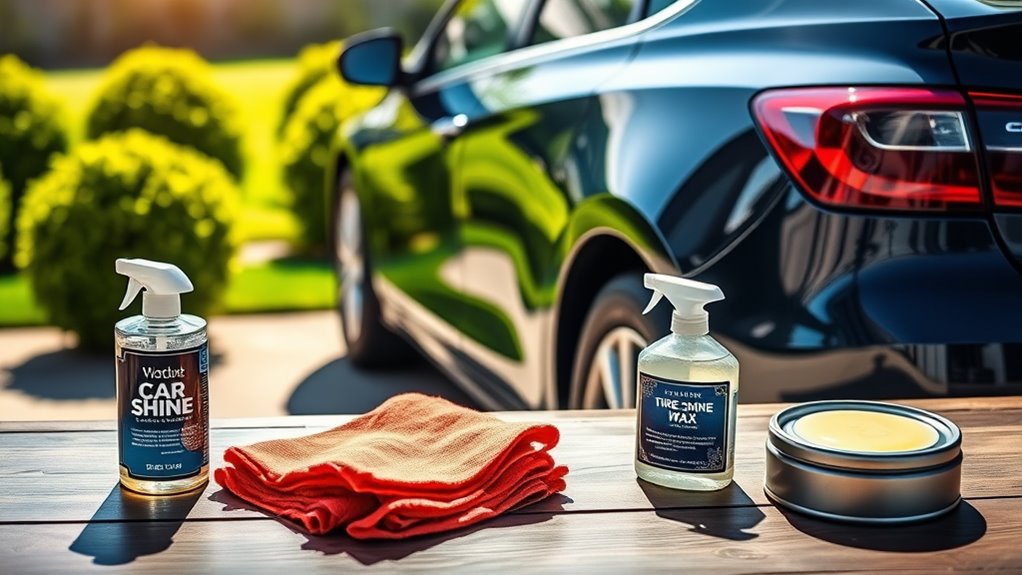
Keeping your car clean and presentable not just improves its appearance but furthermore plays a significant role in maintaining its resale value. When potential buyers see a well-maintained vehicle, they're more likely to feel confident in its overall condition. Start with an exterior wash at least once a month to remove dirt, grime, and harmful contaminants. Waxing your car regularly protects the paint and keeps it shining.
Don't forget about interior detailing, either. Vacuuming carpets and seats, wiping down surfaces, and cleaning windows can make a big difference. Remove any clutter and personal items to create a welcoming space for prospective buyers.
Choose the Right Color
A clean and presentable car can only go so far if the color doesn't appeal to buyers. Choosing the right color can greatly impact your car's resale value, as color psychology plays an essential role in buyer preferences. To maximize your investment, consider these color trends:
- Classic Colors: Neutral shades like black, white, and silver are timeless and usually attract a wider audience.
- Bold Choices: If you're feeling adventurous, lively colors like red or blue can stand out, but know they might limit your buyer pool.
- Trendy Hues: Research current color trends in the automotive market; colors like deep green or matte finishes are becoming popular and can improve desirability.
Ultimately, aligning your choice with what's currently appealing will give you the best chance to connect with potential buyers, ensuring your ride remains liberating and valuable.
Avoid Modifications and Customizations
When you modify or customize your car, you risk losing its appeal to future buyers. Keeping factory specifications intact helps maintain a broader market appeal and can greatly boost your resale value. Stick to the original design if you want to attract more potential buyers down the road.
Keep Factory Specifications Intact
Maintaining your car's factory specifications can greatly improve its resale value. When you keep your ride as the manufacturer intended, you not only preserve its appeal but also guarantee you're not voiding the factory warranty. Here are three key reasons to stick with original parts:
- Higher Demand: Buyers prefer cars that haven't been altered, as they trust the quality of factory specifications.
- Easier Maintenance: Original parts make repairs straightforward, and potential buyers value that simplicity.
- Better Resale Price: Cars with intact specifications often fetch a higher price because of their reliability and trustworthiness.
Maintain Market Appeal
To keep your car appealing to potential buyers, it's best to avoid modifications and customizations that might turn off future owners. Sticking to factory specs aligns with market trends and buyer preferences, ensuring a wider audience is interested in your vehicle.
Here's a quick look at the impact of various modifications:
| Modification Type | Impact on Resale Value |
|---|---|
| Custom Paint Job | Often decreases value |
| Aftermarket Exhaust | May alienate buyers |
| Performance Upgrades | Niche appeal only |
| Unique Interior Features | Risk of personal taste |
| Custom Wheels | Can be polarizing |
Document Your Vehicle's History
To boost your car's resale value, it's essential to document its history. Keep a detailed record of all service and maintenance activities, as this shows potential buyers you've taken care of your vehicle. Tracking your maintenance schedule can likewise help you stay on top of necessary repairs, making your car more appealing.
Keep Service Records
Even though you might think that keeping service records is just a chore, it can greatly improve your car's resale value. A well-documented service history not only shows potential buyers that you've cared for your vehicle, but it additionally boosts warranty coverage. Here are three reasons to keep those records handy:
- Proves Maintenance: Buyers appreciate seeing that you've followed a consistent maintenance schedule, which can ease their worries.
- Supports Resale Price: A detailed service history can justify a higher asking price, giving you more freedom in negotiations.
- Builds Trust: Transparency about repairs and upkeep builds trust with potential buyers, making them more likely to commit.
Track Maintenance Schedule
Tracking your maintenance schedule is vital for documenting your vehicle's history. By keeping detailed records, you not only demonstrate your commitment to preventive maintenance but additionally improve your car's appeal to potential buyers. Make it a habit to track oil changes and other important services. Here's a simple table to help you stay organized:
| Maintenance Task | Date Completed |
|---|---|
| Oil Change | YYYY-MM-DD |
| Tire Rotation | YYYY-MM-DD |
| Brake Inspection | YYYY-MM-DD |
This record proves to buyers that you've cared for your car. A well-documented history builds trust and can greatly enhance your car's resale value. So, grab a notebook or an app, and start tracking today!
Address Minor Repairs Promptly
Neglecting minor repairs can cost you when it's time to sell your car. Buyers often notice small imperfections, and these can lower your car's resale value. Addressing issues like dent repair and scratch removal swiftly shows you're a responsible owner, increasing buyer confidence.
Here are three quick fixes that can help maintain your car's appeal:
- Dent Repair: A small dent might seem insignificant, but repairing it can prevent rust and keep your car looking sharp.
- Scratch Removal: Don't let scratches linger. A quick touch-up can improve your car's aesthetic and signal to buyers that you care.
- Fluid Leaks: Even minor leaks can raise red flags. Fixing them early can save you from bigger problems down the road.
Stay proactive about these repairs, and you'll enjoy a smoother selling experience when it's time to let go of your ride.
Limit Mileage and Drive Carefully
In regards to maximizing your car's resale value, limiting mileage and driving carefully can make a significant difference. Every mile you add can decrease its worth, so try to keep those weekend road trips and joyrides in check. Focus on driving efficiently to improve fuel efficiency; smooth acceleration and braking not only save gas but additionally reduce wear and tear.
Additionally, monitoring your tire pressure is vital. Properly inflated tires enhance fuel efficiency and guarantee a smooth ride, which contributes to your car's overall condition. By driving mindfully and minimizing unnecessary trips, you're not just protecting your investment; you're likewise embracing the freedom of the open road responsibly.
Store Your Car Properly
When you take the time to store your car properly, you not only safeguard its appearance but furthermore enhance its resale value. Keeping your vehicle in ideal garage conditions is crucial, especially during seasonal storage shifts. Here's how to guarantee your car stays in top shape:
- Climate Control: Maintain a stable temperature and humidity level in your garage to prevent rust and paint damage.
- Cover Your Car: Use a breathable car cover to shield your vehicle from dust and potential scratches while allowing moisture to escape.
- Battery Maintenance: Disconnect the battery or use a trickle charger to prevent it from draining during long periods of inactivity.
Timing Your Sale for Maximum Value
To maximize your car's resale value, timing your sale can make a significant difference. Comprehending market trends and seasonal demand can help you take advantage of the best selling periods.
Here's a quick guide to help you:
| Season | Market Trends | Best Time to Sell |
|---|---|---|
| Spring | High demand for convertibles | March-April |
| Summer | Peak demand for SUVs | June-July |
| Fall | Rising prices for sedans | September-October |
| Winter | Lower demand, but good for trucks | December-January |
Selling during peak seasons can attract enthusiastic buyers, willing to pay top dollar for your vehicle. So, keep an eye on the market and plan your sale accordingly. Timing your sale right not just maximizes value but additionally gives you the freedom to move on to your next adventure!
Frequently Asked Questions
How Often Should I Change My Car's Oil for Resale Value?
Think of your car's engine as a finely tuned orchestra; every part needs to play in harmony. To keep that harmony, you should change your oil every 5,000 to 7,500 miles, depending on your vehicle. Consistent oil change frequency shows you care, and it's an essential part of maintenance records. When potential buyers see well-documented care, it adds freedom to their decision-making, knowing they're getting a reliable ride. Keep the music playing smoothly!
Does My Car's Brand Affect Its Resale Value Significantly?
Yes, your car's brand can greatly impact its resale value. Luxury brands often hold their value better because of their desirability and prestige. On the other hand, reliability ratings likewise play an essential role; a reliable vehicle from a lesser-known brand can outperform a luxury car in resale. So, when you're choosing a car, consider how its brand and reliability will affect your freedom to sell it later on at a good price.
Should I Keep My Car's Original Parts When Selling?
Think of your car like a classic novel; the original parts are its timeless pages. When selling, keeping those original parts can boost appeal, as many buyers prefer them over aftermarket modifications. They're often seen as a guarantee of quality and authenticity. If you want to attract enthusiasts who value originality, consider holding onto those parts. It's all about giving your car the best chance to shine in its next chapter!
How Does the Season Affect My Car's Resale Value?
The season can considerably affect your car's resale value. During warmer months, demand often rises, driven by seasonal trends and people looking to travel. Conversely, harsh weather conditions in winter can lower interest as buyers focus on more practical vehicles. If you plan to sell, consider timing your sale for spring or summer when buyers are enthusiastic and willing to pay more. Embracing this freedom can lead to a better profit.
Is It Worth Investing in a Professional Detailing Service Before Selling?
Dazzling details deliver delightful dividends! Investing in a professional detailing service before selling your car can be a smart move. The detailing benefits—like a pristine shine and fresh interior—can impress potential buyers and boost your car's appeal. When you weigh the cost analysis against the potential increase in resale value, it often pays off. So, if you want to maximize your freedom and profit, consider sprucing up your ride!