

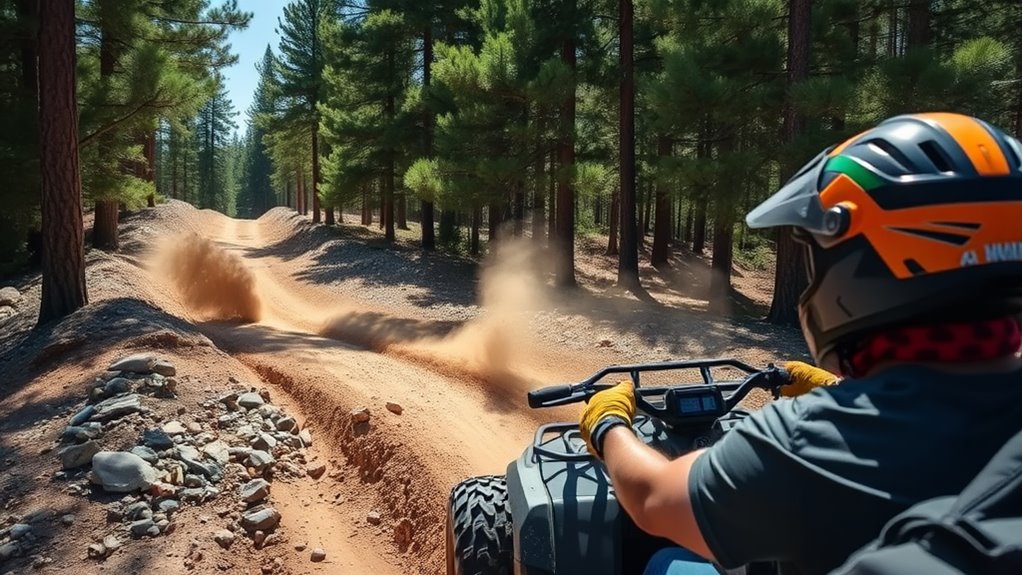
To navigate off-roading like a pro, start by grasping your vehicle's capabilities and inspecting it before each trip. Equip yourself with crucial gear, including off-road tires and a winch. Choose trails that match your skill level, and practice basic techniques like adjusting tire pressure and maintaining smooth acceleration. Prioritize safety by communicating plans and carrying a thorough emergency kit. If you want to improve your skills and discover more tips, there's plenty to explore further.
Understanding Your Vehicle's Capabilities
Before you hit the trails, it's vital to understand your vehicle's capabilities, as this knowledge can make or break your off-roading experience. Delve into the specifics of your ride—its vehicle features play a key role in determining how well you navigate various terrains. For instance, check your vehicle's ground clearance and approach angles; these will inform you how confidently you can tackle rocky paths or steep inclines.
Next, assess its traction control and four-wheel-drive systems. These features greatly improve your vehicle's terrain compatibility, allowing you to glide over mud, sand, or snow without a hitch. Knowing your vehicle's limitations and strengths empowers you to choose the right trails, ensuring a safe and exhilarating adventure. When you understand what your vehicle can do, you're not just driving; you're embracing the freedom of the great outdoors with confidence. So gear up and get ready to explore!
Essential Off-Roading Gear
When you're heading off the beaten path, having the right gear is vital for a smooth adventure. You'll need must-have equipment that improves your vehicle's performance, along with safety gear necessities to keep you protected. Let's explore what you really can't afford to leave behind.
Must-Have Equipment
Off-roading can be an exhilarating adventure, but having the right gear makes all the difference in guaranteeing a safe and enjoyable experience. To tackle those rugged trails and embrace your freedom, here are three must-have items:
- Off Road Tires – These are vital for grip and control on unpredictable terrain, allowing you to conquer slopes and mud with confidence.
- Winch Systems – They're fundamental for recovery, giving you the ability to pull yourself out of tough spots when the adventure takes a challenging turn.
- Navigation Tools – A reliable GPS or map guarantees you stay on course and discover hidden trails, keeping your expedition spontaneous and fun.
With this gear, you're ready to hit the trails and explore the wild. Enjoy the ride!
Safety Gear Essentials
Even though the thrill of off-roading is undeniable, prioritizing safety gear is vital for protecting yourself during your adventures. Start with a quality helmet—consider different helmet types like full-face or open-face, depending on your style and comfort. A sturdy helmet can make all the difference in an unexpected situation.
Next, invest in protective clothing that'll shield you from the elements and potential injuries. Look for durable materials, like Kevlar or reinforced fabrics, that can handle rough terrain. Don't forget about gloves and sturdy boots; they're fundamental for grip and protection.
Finally, always keep a first aid kit on hand. With the right safety gear, you can embrace your wild side whilst staying secure on the trails. Adventure awaits!
Choosing the Right Trail
Selecting the appropriate trail is vital for a successful off-roading experience. You'll want to evaluate your skill level and choose a trail that aligns with it, while additionally considering the type of terrain and current weather conditions. Making these assessments will help guarantee your adventure is both enjoyable and safe.
Assess Skill Level
How do you know if you're ready for a particular off-road trail? Start with a solid skill assessment and experience evaluation. It's essential to match your abilities with the trail's challenges. Here are three things to take into account:
- Vehicle Capability: Understand your vehicle's strengths and limitations.
- Personal Experience: Reflect on your past off-roading adventures. Have you tackled similar terrains before?
- Comfort Level: Are you confident in your driving skills? If you're feeling uncertain, it might be wise to stick to easier trails until you build up your confidence.
Choosing the right trail is about embracing the freedom of the outdoors during ensuring you're prepared for the expedition ahead. Don't rush; the adventure will be waiting for you!
Trail Type Considerations
When you're selecting an off-road trail, it's crucial to contemplate the type of terrain you'll be traversing, as different trails present unique challenges and experiences. Comprehending trail difficulty and terrain features can help you choose wisely and guarantee an exhilarating adventure.
| Trail Type | Difficulty Level | Terrain Features |
|---|---|---|
| Easy | Beginner | Flat, minimal obstacles |
| Moderate | Intermediate | Rocky, some inclines |
| Difficult | Advanced | Steep, rugged terrain |
| Extreme | Expert | Deep mud, boulders |
| Custom | Variable | Mixed terrain |
Weather Conditions Impact
Comprehending the type of trail is just the beginning; weather conditions can greatly influence your off-roading experience. When you're venturing into the wild, it's vital to take into account climate impact and keep up with weather forecasting.
- Rainy Days: Muddy trails can turn your adventure into a slippery slide.
- Snow and Ice: These can make trails treacherous, so a four-wheel drive is a must.
- Heat Waves: High temperatures can lead to overheating and fatigue, so plan for hydration.
Mastering Basic Off-Roading Techniques
Even though you might be enthusiastic to hit the trails, perfecting basic off-roading techniques is essential for a safe and enjoyable adventure. Start by adjusting your tire pressure; lower it slightly to increase traction on uneven surfaces. This simple change can make a significant difference in your vehicle's performance.
Next, focus on throttle control. Smooth, gradual acceleration helps you maintain traction during climbing or maneuvering through tricky spots. Avoid sudden bursts of strength that could cause wheel spin or loss of control.
Practice these techniques in a controlled environment before tackling more challenging terrains. Comprehending how your vehicle reacts will boost your confidence and help you tackle obstacles with ease.
Navigating Different Terrain Types
As you venture off the beaten path, comprehension of how to traverse different terrain types is crucial for a successful trip. Each environment offers unique challenges and thrills, so embrace the freedom of exploration by mastering these key terrains:
- Rocky Pathways: Tread carefully over jagged rocks; choose your lines wisely to prevent damage to your vehicle.
- Sandy Dunes: Stay light on the throttle and maintain momentum. Don't let your tires sink into the soft sands.
- Muddy Trails: Approach with caution! Engage low gear to drive through slippery spots, and be ready for unexpected obstacles.
Whether you're tackling steep inclines, crossing rivers, or maneuvering bumpy hills on forest roads and gravel paths, your adaptability will define your adventure. Each terrain type invites you to embrace the wild spirit of off-roading, where the thrill of the expedition is just as important as the destination.
Safety Tips for Off-Roading Adventures
How can you guarantee a safe and enjoyable off-roading adventure? Start by embracing trail etiquette and being prepared for emergencies. Always communicate your plans with others, and never venture alone. Carry a well-stocked emergency kit, including first aid supplies, food, and water.
Here's a handy table to keep in mind:
| Preparation Steps | Trail Etiquette | Emergency Preparedness |
|---|---|---|
| Check vehicle | Yield to larger vehicles | First aid kit |
| Pack necessities | Stay on marked trails | Spare tire tools |
| Inform others | Respect wildlife | GPS and maps |
Maintaining Your Vehicle Post-Trip
After an exhilarating off-roading adventure, it's essential to give your vehicle a thorough inspection to guarantee it's in top shape for your next outing. A solid vehicle inspection can save you from unexpected issues down the road. Use a maintenance checklist to make sure you cover all bases.
- Check the Tires: Inspect for cracks, punctures, or uneven wear. Verify tire pressure is ideal for your next adventure.
- Examine Under the Hood: Look for any fluid leaks and check your oil, coolant, and brake fluid levels. A well-maintained engine is critical for performance.
- Inspect the Undercarriage: Clean away mud and debris, and check for damage to important components like the suspension and exhaust system.
Taking these steps keeps your vehicle running smoothly and boosts your freedom to explore the great outdoors without worry. Embrace the adventure, but don't forget the fundamentals!
Joining Off-Roading Communities and Events
While exploring the off-roading world on your own can be thrilling, joining off-roading communities and events can improve your experience considerably. When you connect with fellow enthusiasts, you'll discover a wealth of knowledge and tips that can raise your skills and adventures. Event participation opens up exciting opportunities to tackle new terrains and challenges alongside others who share your passion for freedom and exploration.
Community support is invaluable; whether you need advice on vehicle modifications or want to share your latest trail findings, these groups nurture camaraderie and friendship. You'll find organized events that cater to all skill levels, from casual meet-ups to competitive races, ensuring there's something for everyone. So, take the plunge—join a local club or attend an off-roading event. You'll not only boost your skills, but you'll as well make lasting memories and friendships along the way.
Frequently Asked Questions
How Do I Find Off-Roading Trails Near Me?
Finding off-roading trails near you is like uncovering hidden treasures. Start by plunging into trail mapping apps, which can pinpoint the best routes based on your location. Local forums are gold mines for sharing experiences and recommendations from fellow enthusiasts. Don't hesitate to ask questions; the community's enthusiastic to help. Embrace the freedom of exploration, and you'll soon discover trails that lead you to thrilling adventures in the great outdoors.
What Should I Do if I Get Stuck?
If you get stuck, don't panic! First, assess the situation and check your surroundings. Use some stuck solutions like rocking your vehicle back and forth to gain traction. If that doesn't work, try recovery techniques like using a tow strap or traction mats. Keep your cool, and remember, off-roading's all about the adventure. With a little patience and creativity, you'll be back on the trail in no time!
Can I Take My Family on Off-Roading Trips?
Sure, you can take your family off-roading, as long as you're prepared for a wild ride! Think of it as a family bonding adventure, complete with mud, bumps, and maybe a bit of screaming. Just remember, family safety comes first—plan your trip carefully, choose suitable trails, and pack necessities. With some thoughtful trip planning, you'll create unforgettable memories during that sweet freedom of the open road. Adventure awaits!
How Do Weather Conditions Affect Off-Roading?
Weather conditions can drastically affect your off-roading experience. In rainy conditions, mud can turn trails into slippery messes, making it tough to maintain control. You'll want to adapt your driving style to stay safe. Snowy trails present their own challenges, as traction decreases and visibility can be poor. Embrace the adventure, but always assess the risks. By comprehending how weather impacts your ride, you can enjoy the freedom of exploring nature responsibly.
What Are the Best Vehicles for Beginners?
Did you know that nearly 40% of off-road enthusiasts start their expedition in a compact SUV? For beginners, choosing the right vehicle type can make all the difference. Look for models with good ground clearance and all-wheel drive, like the Subaru Outback or Jeep Cherokee. These options provide stability and ease of handling. Remember, beginner tips include taking it slow and practicing in safe areas to build your confidence and skills. Enjoy the adventure!