

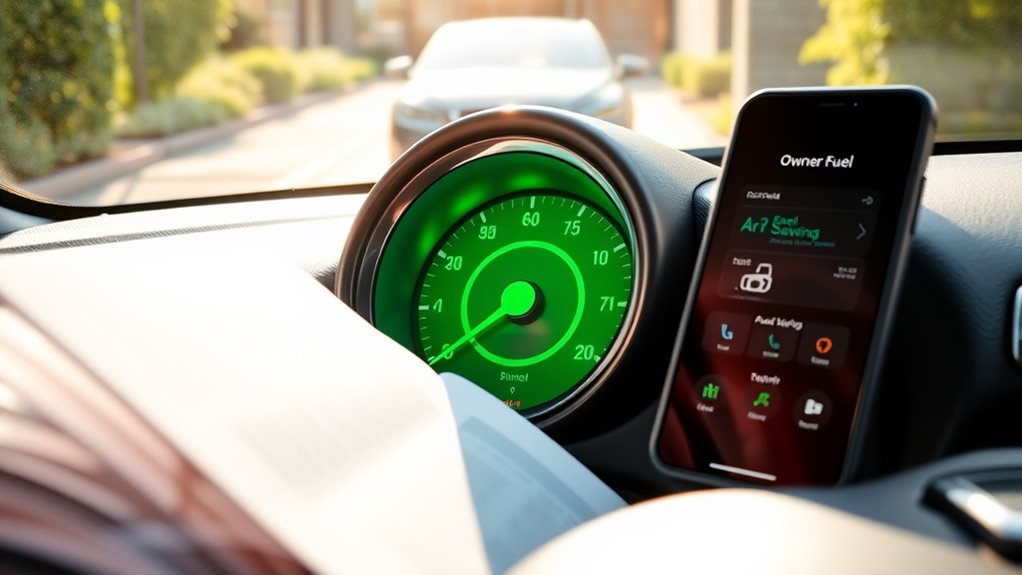
To understand and improve your car's fuel efficiency, start by knowing miles per gallon (mpg) ratings. Focus on regular maintenance, like engine tune-ups and checking tire pressure, to improve performance. Adjust your driving habits; accelerate smoothly and avoid idling to save gas. Consider aerodynamics and your vehicle's fuel type for ideal efficiency. By making informed choices, you can reduce costs and environmental impact. Keep exploring to discover more tips for boosting your vehicle's fuel economy.
Understanding Fuel Efficiency: What It Means
When you think about fuel efficiency, it's essential to understand what it truly means. Fuel efficiency basics revolve around how far your vehicle can travel on a gallon of fuel. This measurement, often expressed as miles per gallon (mpg), helps you gauge the performance of your car. The higher the mpg, the less fuel you need for those trips, giving you the freedom to explore without constantly worrying about gas prices.
Understanding mpg isn't just about numbers; it's about making informed choices. You want a vehicle that aligns with your lifestyle, letting you enjoy the open road as you minimize stops at the pump. By grasping these principles, you're empowered to select a car that suits your needs, whether you're commuting or setting off on a road trip. In the end, the better your fuel efficiency, the more freedom you have to roam wherever your heart desires.
Factors That Affect Fuel Economy
Your driving habits and how well you maintain your vehicle play an essential role in fuel economy. Simple changes in your driving style can lead to significant savings at the pump. Plus, regular maintenance can guarantee your car runs efficiently, maximizing every drop of fuel.
Driving Habits
Even though many factors contribute to fuel economy, your driving habits can greatly impact how efficiently your car uses fuel. When you hit the gas pedal with accelerated starts, you might feel a rush, but it can guzzle gas faster than you think. Instead, ease into your acceleration; your wallet will thank you.
Smooth braking is just as important. Instead of slamming on the brakes, anticipate stops and coast when possible. This not only saves fuel but also extends the life of your brakes.
Finally, avoid unnecessary idling; turn off the engine if you're parked for a period. By adopting these mindful habits, you'll enjoy the freedom of the road while keeping your fuel expenses in check.
Vehicle Maintenance
Mindful driving habits set a strong foundation for fuel efficiency, but vehicle maintenance plays a vital role too. Keeping up with regular oil changes guarantees your engine runs smoothly, during checking fluid levels keeps everything in top shape. Don't overlook brake maintenance—worn brakes can drag down your performance. Clean air filters let your engine breathe better, and proper battery care prevents unnecessary strain. Spark plugs need attention too; replace them as needed to maintain a strong spark. Regularly inspect your exhaust system for leaks, which can hurt efficiency. Finally, clean fuel injectors optimize fuel delivery. By staying on top of these maintenance tasks, you'll enjoy the freedom of a well-performing vehicle that sips fuel, rather than guzzling it.
Regular Maintenance: Key to Efficiency
Keeping your car in top shape is crucial for fuel efficiency. Regular engine tune-ups and checking your tire pressure can make a noticeable difference in how far you go on each tank. By staying on top of these maintenance tasks, you'll not just save money but likewise enjoy a smoother ride.
Engine Tune-Ups
When you prioritize regular engine tune-ups, you not only enhance your vehicle's performance but additionally boost its fuel efficiency. Keeping your engine in top shape gives you the freedom to roam without worrying about gas prices. Here are four key aspects to focus on during your tune-up:
- Spark plugs: Replacing them guarantees a clean burn and better engine performance.
- Air filters: Changing dirty filters allows for peak airflow, enhancing fuel efficiency.
- Fuel additives: Using quality fuel additives can clean your fuel system and improve combustion.
- Fluid levels: Regularly checking and topping off fluids keeps your engine running smoothly.
Tire Pressure Checks
Though it might seem minor, regularly checking your tire pressure can considerably impact your car's fuel efficiency. Under-inflated tires create more rolling resistance, making your engine work harder and guzzling more fuel. By staying on top of tire maintenance, you not just save money at the pump but also improve your driving experience.
Make pressure monitoring a regular habit; check it at least once a month and before long trips. Use a reliable gauge to confirm your tires are inflated to the recommended levels. This simple act can lead to better handling and longer tire life, giving you the freedom to explore the open road without worry. So, keep those tires in check and release your car's true potential!
The Role of Tire Pressure
Proper tire pressure plays a critical role in maximizing your car's fuel efficiency, as under-inflated tires create more rolling resistance, which makes your engine work harder. To guarantee you're cruising smoothly and efficiently, here are some key points to take into account:
- Check your tire pressure regularly using a reliable gauge.
- Use tire pressure monitoring systems if available; they alert you when your tires need attention.
- Maintain ideal tire inflation, which is typically found on the driver's door jamb or in the owner's manual.
- Rotate your tires periodically to promote even wear and maintain consistent pressure.
Driving Habits That Boost Fuel Efficiency
Maintaining the right tire pressure is just one piece of the puzzle in achieving ideal fuel efficiency. Your driving habits play an essential role, too. To maximize freedom on the road while saving fuel, focus on smooth acceleration. Instead of rapid driving, which drains your tank faster, gently press the gas pedal to allow your car to build speed steadily. This not only conserves fuel but also improves your driving experience.
Additionally, anticipate traffic flow and adjust your speed early. By coasting to a stop rather than slamming on the brakes, you'll save energy and reduce wear on your vehicle. Keep an eye on your speed; driving at consistent, moderate speeds can greatly enhance your fuel economy. Embrace these habits, and you'll not only enjoy the open road but also make your fuel last longer, giving you more freedom to explore.
The Impact of Weight on Fuel Consumption
When you load your car with extra weight, it can greatly impact your fuel consumption. Every pound you add makes your engine work harder, leading to lower efficiency. Embracing weight reduction through smart cargo management can help you reclaim that freedom on the road. Here are some tips to lighten your load:
- Remove unnecessary items: Clear out any gear or junk you don't need for your trip.
- Limit passengers: Carpool when possible, but avoid taking extra passengers when you don't need to.
- Choose lightweight accessories: Opt for lighter roof racks or cargo carriers to minimize added weight.
- Check tire pressure: Properly inflated tires can help reduce the effort your engine has to exert.
Choosing the Right Fuel for Your Vehicle
In terms of fuel efficiency, choosing the right fuel is essential. You'll want to understand fuel octane ratings, the differences between diesel and gasoline, and what ethanol blends mean for your vehicle. Making informed decisions here can lead to better performance and savings at the pump.
Fuel Octane Ratings
Choosing the right fuel for your vehicle is vital for optimizing performance and fuel efficiency, especially since not all engines are designed to run on the same octane level. Comprehending fuel octane ratings can help you utilize the octane benefits that come with premium fuels. Here's what you need to know:
- Octane Level: Higher octane fuels resist knocking better, which is fundamental for high-performance engines.
- Engine Design: Check your owner's manual to see the recommended octane rating for your vehicle.
- Performance Needs: If you drive aggressively or tow heavy loads, premium fuels can improve performance.
- Long-Term Savings: Using the right octane can boost fuel efficiency, saving you money at the pump in the long run.
Diesel vs. Gasoline
Selecting the right fuel for your vehicle can greatly impact its performance, efficiency, and longevity. When considering diesel vs. gasoline, think about what matters most to you. Diesel benefits include higher fuel efficiency, torque, and longer engine life, making it ideal for those who crave strength and endurance. Nonetheless, gasoline drawbacks can't be ignored; it typically burns faster and may lead to more frequent trips to the pump. If you're after an exhilarating drive with a quick response, gasoline might suit your style. But if you value fuel economy and durability, diesel could be your best bet. In the end, your choice hinges on how you want to experience the open road, so weigh your options carefully.
Ethanol Blends Explained
Fuel options don't stop at diesel and gasoline; ethanol blends are another choice worth considering. Ethanol, derived from corn and sugarcane, can improve your fuel efficiency. Nevertheless, it is crucial to weigh its benefits and drawbacks. Here's what you need to know:
- Ethanol Benefits: It burns cleaner, reducing greenhouse gas emissions.
- Cost-Effective: Often cheaper than gasoline, saving you money at the pump.
- Higher Octane Rating: This can increase performance in some engines.
- Ethanol Drawbacks: It may reduce fuel economy and could damage older engines if not compatible.
Choosing the right fuel empowers you to drive with confidence, knowing you're making informed decisions for your vehicle and the environment.
How Aerodynamics Influence Gas Mileage
Even though you might not think about it often, the shape of your car plays a vital role in its fuel efficiency. The design directly affects the drag coefficient, which measures how easily air flows around your vehicle. A lower drag coefficient means less resistance, allowing you to glide down the road with less effort and improved mileage.
Effective airflow management is significant. When air smoothly passes over your car, it reduces turbulence and drag, helping you maximize every drop of fuel. Features like streamlined bodies, rounded edges, and rear spoilers can improve aerodynamics, so consider how your car's design impacts performance.
If you're after that sense of freedom on the open road, paying attention to aerodynamics can make a real difference. By optimizing your vehicle's shape, you'll save on fuel costs and enjoy a smoother, more efficient ride.
The Importance of Engine Tuning
With regard to maximizing your car's fuel efficiency, engine tuning plays a crucial role. By fine-tuning your engine, you can greatly improve engine performance and enjoy various tuning advantages. Here's how you can benefit from a well-tuned engine:
- Improved Fuel Economy: A tuned engine burns fuel more efficiently, reducing how often you need to fill up.
- Enhanced Capability: Experience better acceleration and responsiveness, making your drives more enjoyable.
- Lower Emissions: A properly tuned engine helps minimize harmful emissions, benefiting the environment.
- Prolonged Engine Life: Regular tuning can prevent wear and tear, ensuring your engine runs smoothly for longer.
Tuning isn't just about capability; it's about utilizing the freedom of the open road as you get the most out of every drop of fuel. Embrace the tuning experience for a more efficient driving adventure!
Utilizing Technology for Better Fuel Efficiency
With a well-tuned engine, you're already on the path to better fuel efficiency, but technology can take your efforts even further. Embrace smart driving by using apps that monitor your driving habits and provide real-time feedback. These tools help you reduce hard accelerations and unnecessary idling, which can greatly boost your mileage.
Fuel tracking apps are another game-changer. They'll help you keep tabs on your fuel consumption, allowing you to identify patterns and adjust your driving accordingly. You can discover the most efficient routes and avoid heavy traffic, making the trip feel more like an adventure than a chore.
Eco-Friendly Driving Practices to Consider
When you adopt eco-friendly driving practices, you not just help the environment but moreover improve your vehicle's fuel efficiency. Embracing sustainable driving is a great way to enjoy the freedom of the open road as you minimize your carbon footprint. Here are four practices to contemplate:
- Maintain a Steady Speed: Use cruise control on highways to avoid sudden acceleration and braking.
- Reduce Idling: Turn off your engine if you'll be parked for more than a minute.
- Lighten Your Load: Remove unnecessary items from your car, as heavier vehicles consume more fuel.
- Plan Your Trips: Combine errands into one trip to reduce overall driving time and distance.
Frequently Asked Questions
Does Using Premium Fuel Really Improve My Car's Performance?
You might wonder if using premium fuel actually boosts your car's performance. Although premium fuel can improve performance benefits for high-compression engines designed for it, most vehicles don't require it. If your car runs fine on regular fuel, sticking with that can save you money. In the end, it's about comprehending your car's needs. If you crave freedom on the road, choose fuel that keeps your ride smooth without unnecessary costs.
How Do I Know if My Fuel Efficiency Is Decreasing?
Did you know that a 10% drop in fuel efficiency can lead to an extra $200 in fuel costs each year? To see if your fuel efficiency's decreasing, keep an eye on your fuel gauge. If you notice it dropping faster than usual, it's time for maintenance checks. Listen for unusual sounds and pay attention to how often you fill up. A little awareness can keep your drive smooth and your wallet happy!
Can Weather Conditions Affect My Car's Fuel Economy?
Absolutely, weather conditions can impact your car's fuel economy. Extreme temperature effects, like cold weather, can make your engine work harder, leading to increased fuel consumption. High humidity impact can likewise reduce efficiency by affecting air density. When you're chasing freedom on the open road, consider how these factors can influence your drive. Keep an eye on the weather to maximize your fuel performance and enjoy your travels even more!
Are Hybrid Vehicles More Fuel-Efficient Than Traditional Cars?
When you compare hybrid vehicles to traditional cars, you'll find that hybrids often offer significant advantages. Their fuel savings come from using both gasoline and electric energy, allowing you to travel farther on less fuel. This means more freedom on the road without constant stops at the pump. Furthermore, hybrids typically produce fewer emissions, so you're not just saving money, but you're additionally making a positive impact on the environment.
How Does My Driving Speed Impact Fuel Consumption?
In terms of fuel consumption, you really can't have your cake and eat it too. Your driving speed plays an essential role—accelerated acceleration at high speeds often leads to more fuel being guzzled. Preferably, you should cruise at ideal speeds, typically around 55-65 mph, to maximize efficiency. By keeping your speed in check, you'll not just save on fuel but additionally enjoy the freedom of the open road without breaking the bank.